 Business · Management · Systems
Business Analysis & Strategy · Last updated: 2 November 2026
Why Kylian Mbappé Left Nike for On: The Shift to Equity
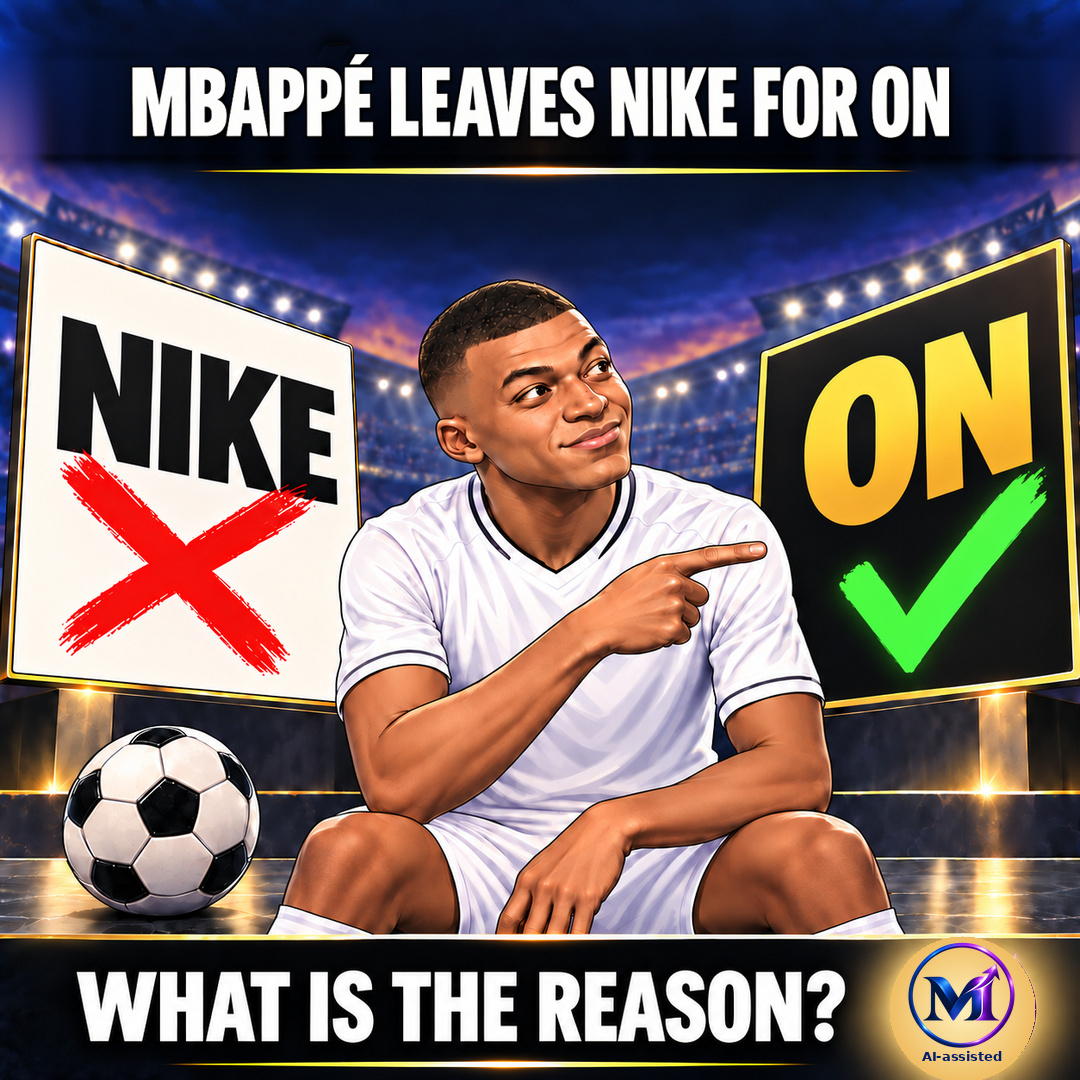
Why did Kylian Mbappé leave Nike after nearly 20 years? His move to On combines cash, equity and product influence—and offers wider lessons about turning endorsement into ownership.
At a glance
- Mbappé’s Nike contract ended; there is no confirmed public quarrel behind the move.
- His On agreement reportedly combines cash and equity with a role in developing football products.
- For owners, equity can align contribution and reward, but carries dilution, vesting and valuation risk.
In this article
Why did Kylian Mbappé leave Nike after nearly 20 years?
Mbappé’s relationship with Nike ended after his contract expired in July 2026, with no confirmed public quarrel. In an interview with L’Équipe, he described the attraction of helping On develop football products. L’Équipe also reported that Nike had proposed a substantial renewal, reportedly worth about €20 million annually. The competing offers have not been disclosed in full, so neither the size of the equity award nor Mbappé’s decisive motive can be established.
On told Reuters that the new agreement includes cash and equity, without disclosing amounts. On has also said Mbappé will work with its teams on football footwear and apparel. This is the business story: a high-profile athlete moving from a long-established supplier into a challenger’s product-development strategy, with a reported stake in the outcome.
Who are Mbappé and Federer?
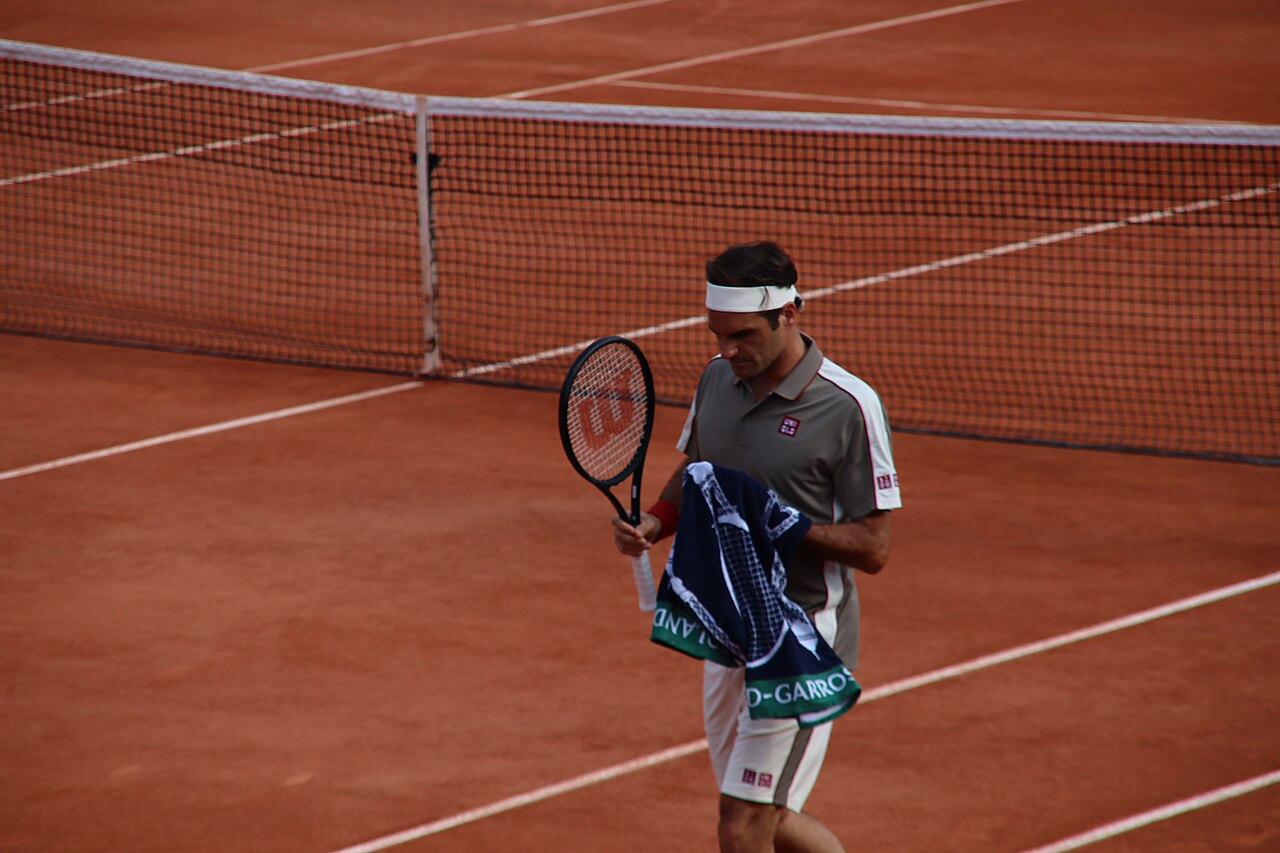
Kylian Mbappé, a Real Madrid forward and captain of France, has a global profile that makes his sponsor choice commercially significant. Roger Federer, the former Swiss tennis champion, joined On as an investor and product collaborator in 2019. The comparison is useful, although On’s entry into tennis is not the same challenge as competing in football.
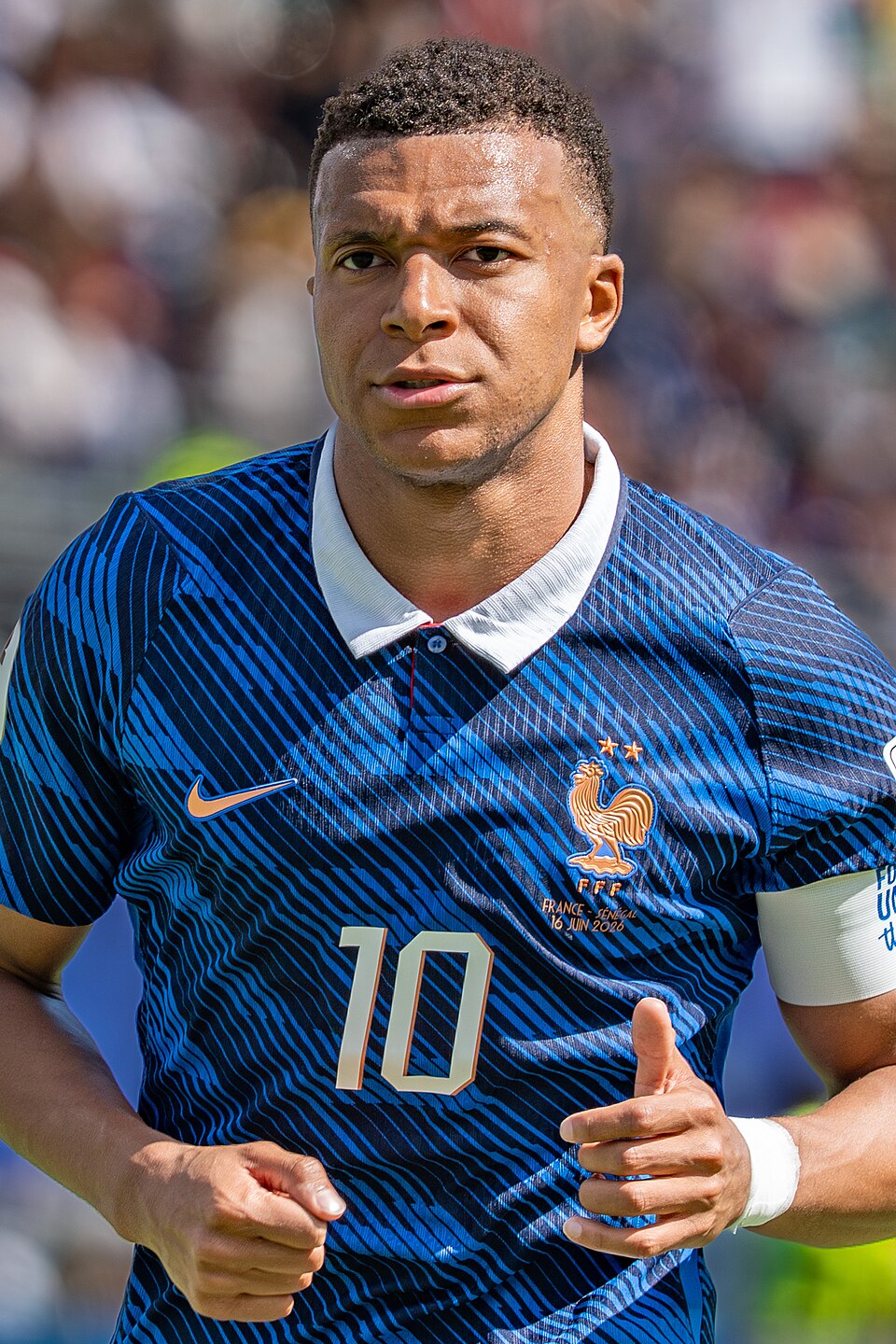
On announced the partnership on 18 September 2026 as the beginning of its move into football. Its official statement says Mbappé will be a global ambassador and will work directly with product teams to develop and test future footwear and apparel. Thierry Henry, who has been involved with On since late 2025, is serving as its Director of Football. The company has also brought in Swiss international Sydney Schertenleib as it develops the women’s side of its football plans.
The official announcement does not disclose the financial terms. However, On told Reuters that the agreement includes both cash and equity, while other reporting has described it as a long-term partnership. That distinction matters. Cash pays an athlete for the use of his profile today; equity may allow him to benefit from the value created tomorrow. It also introduces risk: shares can rise or fall, and a challenger entering a new category has much to prove.
Why leaving Nike after 20 years is significant
Mbappé’s association with Nike began when he was a child. By the time he became one of football’s defining players, Nike had built major campaigns around him and produced signature editions of its Mercurial boots. The relationship linked the world’s largest sportswear company with a player whose speed, confidence and global appeal fitted the brand naturally.
There has been no confirmed public dispute. Nike said it was proud of the long relationship and wished him well. That is important because a change of sponsor is often described as though one party must have lost an argument. Contracts end, priorities change and both sides can make rational decisions.
Nike offers reach, established football credibility and a marketing machine few companies can match. It already works with many leading players, clubs and national teams. That strength can also create a different problem for an individual athlete: even a superstar is one prominent name within a very large portfolio.
At On, Mbappé enters as the central figure in a new football project. He can help shape products, the story and perhaps the culture of the category from its beginning. The move appears to exchange some of the certainty of an established platform for greater influence inside a challenger.
What On is trying to build
On was founded in Switzerland in 2010 and built its reputation in running. Its CloudTec cushioning gave the company a recognisable product idea, while its clean visual identity and premium positioning helped it extend into lifestyle footwear. It now sells in more than 90 countries.
The company has also shown a willingness to use athletes as more than advertising faces. Roger Federer became an investor and product partner, contributing to tennis and lifestyle products. That relationship gave On credibility beyond running and offered a model for combining athlete insight, profile and long-term commercial alignment.
Football is a much larger and more crowded test. Nike, Adidas and Puma have decades of product expertise, established supply relationships and enormous networks of players, clubs and federations. A strong running shoe does not automatically produce an elite football boot. The demands are different: traction, touch, stability, fit, weight, durability and adaptation to different pitches all matter.
On says it intends to apply its engineering approach to the sport. One technology it highlights is LightSpray, a robotic manufacturing process that sprays a continuous filament to form an upper. Whether that can create a genuine advantage in football will depend on the final product, not the presentation. Mbappé’s involvement in testing could therefore be more valuable than a conventional photoshoot.
Reports indicate that the first On football boots are planned for 2027, with apparel and lifestyle products expected to follow. That timetable suggests this is a product-development programme as well as a marketing launch.
Endorsement, partnership and ownership
Traditional endorsement is straightforward. A company pays for visibility, association and agreed appearances; the athlete receives a fee and often performance bonuses or royalties. The brand usually owns the product platform and most of the long-term commercial value.
An equity component changes the incentives. If On’s football business succeeds and strengthens the wider company, Mbappé may participate as an owner rather than only as a paid promoter. His profile attracts attention, but his product feedback and credibility may also reduce some of the risk of entering the category.
The word “ownership” should still be used carefully. The size, conditions and voting rights of any reported stake have not been publicly disclosed. It would be wrong to assume that Mbappé controls the company or that the equity is guaranteed to become valuable. The more accurate point is that his compensation reportedly includes exposure to the business value he may help create.
This reflects a broader change in the economics of celebrity. Athletes, entertainers and creators increasingly ask whether they should be paid only for attention or should also share in the enterprise built with that attention. For a company, equity can conserve cash and encourage long-term commitment. For the individual, it can produce greater upside—but with less certainty.
What happened in comparable athlete deals?
Mbappé is not the first athlete to exchange the simplicity of a conventional endorsement for a deeper commercial relationship. The results of earlier deals range from exceptional success to sharp losses. They also show that “ownership” can mean very different things: company shares, a royalty, a jointly developed brand or a mixture of cash and equity.
Roger Federer and On: the clearest success
The most relevant precedent is already inside On. Roger Federer became an investor and product partner in 2019, after ending his long relationship with Nike. He did not merely appear in advertisements: he worked with On on tennis footwear and the Roger product line.
When On floated in New York in 2021, the company was valued at more than $11 billion on its first day of trading. Reuters reported that the shares priced above their expected range. The exact size and cost of Federer’s investment were not officially disclosed, so widely quoted estimates of his personal gain should be treated cautiously. Nevertheless, the combination of rapid company growth, a successful flotation and an enduring product partnership makes this a strong example of athlete ownership creating value for both parties.
Federer’s success is also the template On appears to be adapting for Mbappé. The important difference is that On already had a successful running business when Federer joined; in football, the company is entering a new and highly competitive category.
Michael Jordan and Nike: not equity, but the benchmark
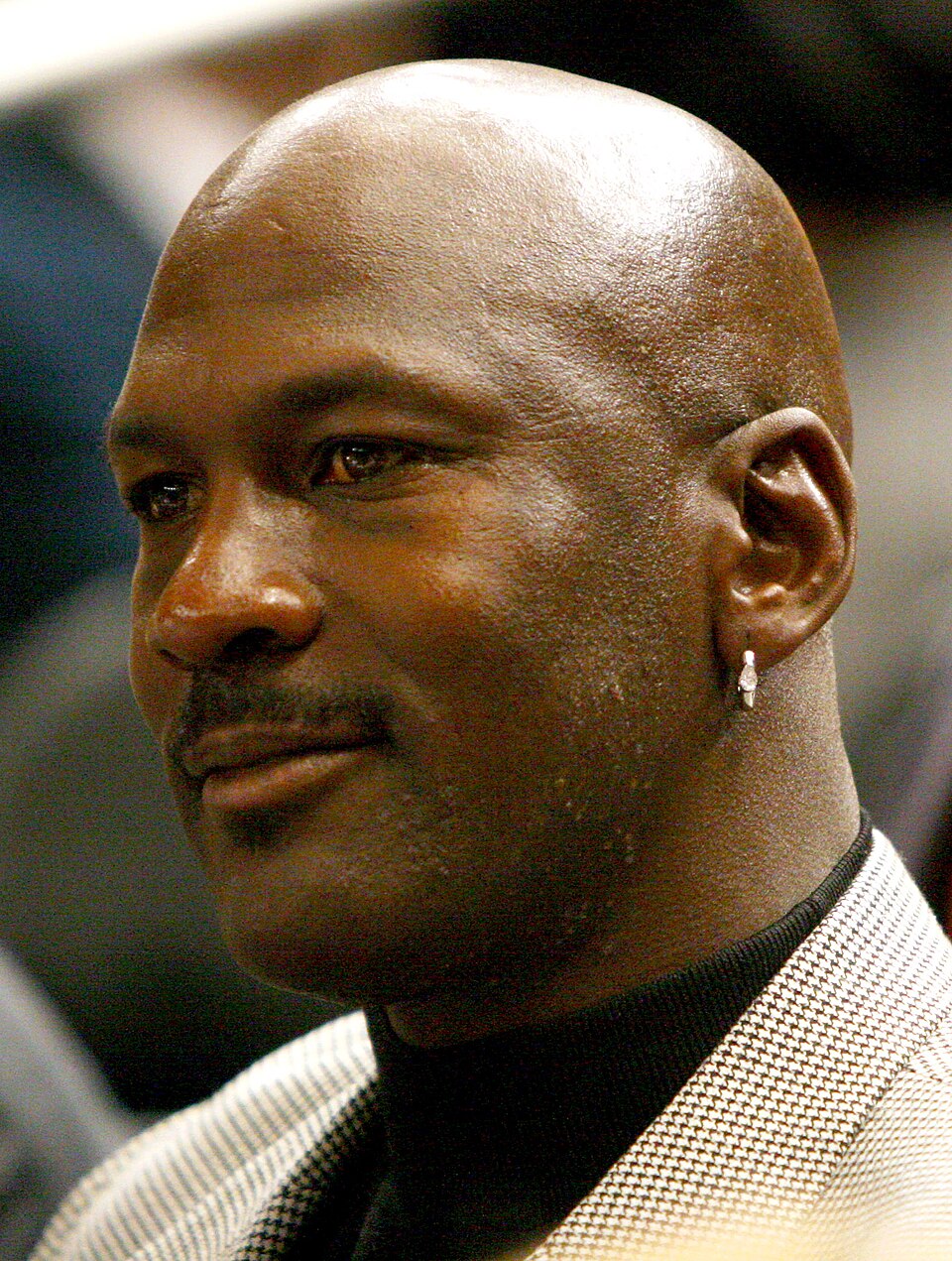
Michael Jordan’s Nike arrangement was not principally an ownership stake in Nike. It was a signature brand and royalty relationship. That distinction matters, but the economics illustrate the value of participating in sales rather than receiving only a fixed endorsement fee.
Air Jordan grew into Jordan Brand, one of Nike’s leading businesses. Nike reported Jordan Brand revenue of $7.034 billion in fiscal 2026, down 3% from fiscal 2025 following a 16% decline the previous year. That is Nike’s product revenue, not Jordan’s personal earnings. The achievement is exceptional, but even the strongest athlete-led brands face changing demand.
The lesson is that ownership of company shares is not the only route to long-term participation. Royalties, intellectual-property rights and control over a sub-brand can be equally important. For Mbappé, the strongest outcome may eventually depend not only on the value of his On shares but also on whether he develops a distinctive product identity that consumers continue to buy.
Stephen Curry and Under Armour: commercially important, but mixed
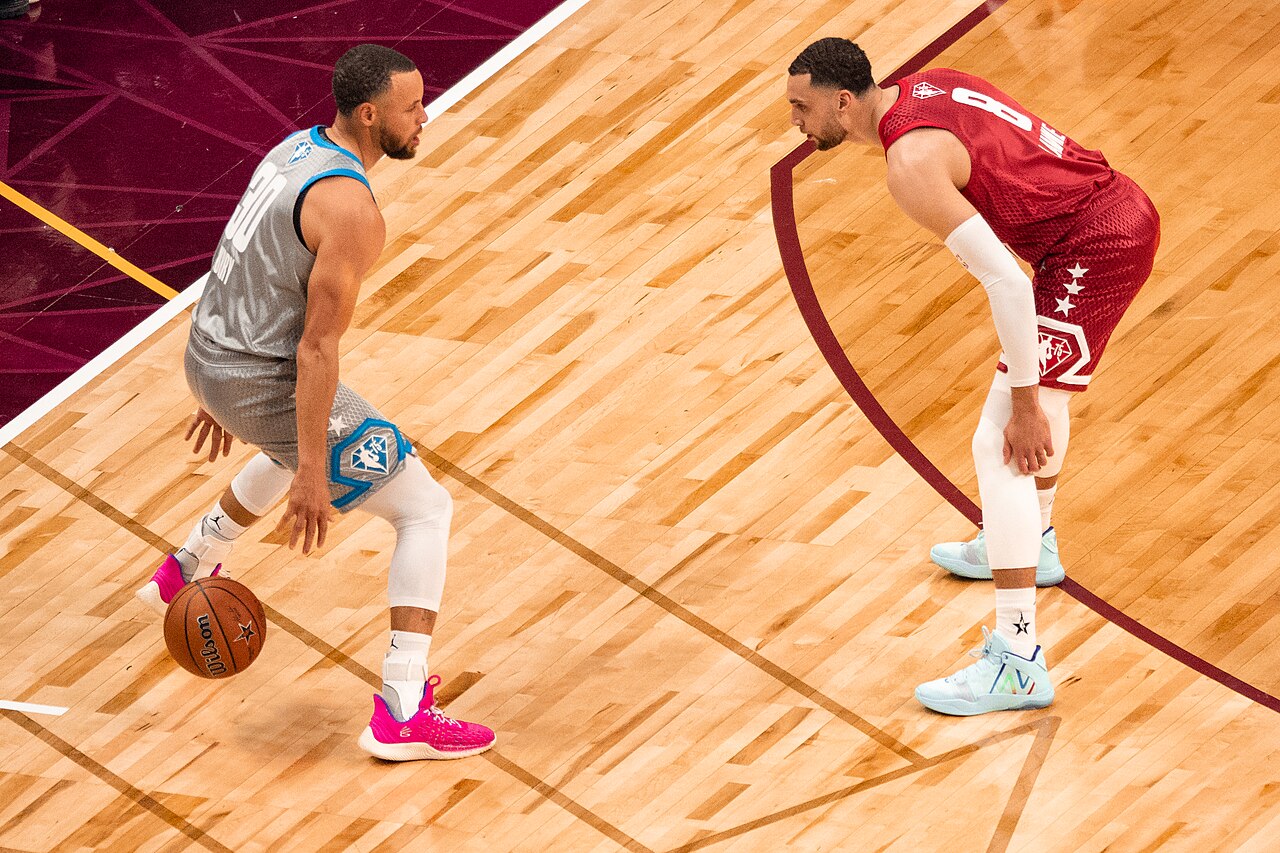
Stephen Curry helped Under Armour build credibility in basketball, and Curry Brand was launched in 2020. In November 2025, Under Armour and Curry announced their separation. Curry Brand became independent; Sports Business Journal reported that Curry would retain sole ownership of it.
The outcome is not simply a failed endorsement. The partnership produced a recognisable brand that could continue after the relationship with its original commercial partner ended. Ownership of a brand, rights on separation and freedom to seek another distribution partner may therefore be more consequential than the original fee alone.
For On, the question is whether Mbappé’s involvement builds a viable football-product business and whether both parties have negotiated an acceptable outcome if their priorities eventually diverge.
David Beckham and Guild Esports: the downside of equity
David Beckham was an investor and ambassador for Guild Esports when the company listed in London in 2020. The listed shares subsequently lost almost all their value. In October 2024, the listed company sold its esports operating business to DCB Sports for £100,000, with the buyer also assuming more than £2 million in liabilities. The listed company continued separately and later changed its name.
The acquired operating business was run through Guild Esports and Gaming Ltd, which entered creditors’ voluntary liquidation in September 2025. That later liquidation did not cause the earlier collapse in the listed share price. The lesson remains: celebrity involvement may generate visibility without making the underlying business commercially viable, and contractual ambassador income should not be confused with investment returns.
The record is therefore mixed
Federer’s investment and Jordan’s royalty-led arrangement illustrate different paths to long-term economic participation. Curry shows why ownership and separation rights can outlast a commercial partnership. Guild demonstrates the limits of celebrity influence when the underlying business performs poorly. These cases illustrate different outcomes; they are not a representative sample or proof that equity deals usually succeed.
Mbappé’s arrangement should therefore be judged over years, not by the publicity surrounding its announcement. Early measures will include the quality of On’s first football boots, adoption by other players and retailers, and whether consumers associate the products with innovation rather than celebrity alone. The ultimate test will be whether football becomes a profitable, durable part of On’s business.
Why Mbappé is unusually valuable to a challenger
Mbappé brings several assets at once. He is an elite performer, captain of France and a global personality with particular appeal to younger audiences. His playing style—explosive acceleration, direct movement and decisive finishing—also gives a footwear company an obvious technical and visual story.
He is valuable in France and Europe, but his recognition extends much further. Football audiences follow players across club and national competitions, and social media allows a single athlete to introduce a new product worldwide. That makes him unusually capable of helping a brand enter a category where it lacks heritage.
There is also strategic clarity in using one dominant figure. A challenger cannot immediately match the number of contracts held by the established brands. It can instead concentrate resources around a small group of credible partners and build a distinct identity. The risk is equally concentrated: if the product disappoints, supply is limited or the partnership loses momentum, the weakness will be highly visible.
The deal through a finance lens
From a finance perspective, Mbappé appears to be accepting a different mix of return and risk.
Cash is certain value. A guaranteed endorsement payment can be measured and received according to contract. Its value does not depend on the sponsor’s share price or success in football.
Equity is contingent value. It may appreciate substantially if On grows, but it can also decline. The result depends on company performance, market valuation, the terms of the award and any restrictions on selling the shares.
The risk was visible even before the deal was announced. Reuters reported that On’s shares had fallen about 40% during 2026 as of 18 September, following disappointing second-quarter sales relative to expectations. That historical decline does not determine the future value of Mbappé’s stake, whose terms remain undisclosed. It does show why an equity award cannot be evaluated like a guaranteed cash fee.
Influence has strategic value. Product input, creative participation and a central position in the brand may increase Mbappé’s impact beyond the formal value of the contract. Influence can also strengthen his own commercial identity after his playing career.
Concentration cuts both ways. Being one of many stars at Nike reduces dependence on any individual relationship. Becoming the face of On football gives Mbappé greater prominence, but it ties more of the partnership’s reputation to the success of a new venture.
The best comparison is therefore not simply “Which company pays more?” It is “Which package offers the most attractive combination of guaranteed income, long-term upside, influence and risk?” Without the full contracts, outsiders cannot calculate the answer. We can, however, understand why a player with substantial existing earnings might prefer greater upside and participation.
What the move means for Nike
Losing a player of Mbappé’s stature is significant, particularly because he has been associated with Nike for so long. It gives a smaller competitor immediate credibility and creates a powerful narrative about moving from endorsement to partnership.
Yet Nike remains a giant in football. Its distribution, product range, athlete roster and club relationships cannot be replicated quickly. The loss of one athlete does not overturn that structure. Nike may also have reached a different view of the price, control or commitment justified by the relationship.
In negotiation, walking away can be rational for both sides. The buyer may believe the required package is too costly; the seller may believe another partner offers more than money. A deal is not evidence that one side understood value and the other did not. It is evidence that they valued the available choices differently.
What success would look like for On
Public attention is already a win, but lasting success will require more than launch publicity.
First, On must produce a boot that elite players trust. Footballers are sensitive to fit and feel, and a product failure at the highest level can damage credibility quickly. Second, it must make the product available at sufficient scale. Interest that cannot be converted into a purchase is a missed opportunity. Third, it needs a wider football ecosystem: additional athletes, youth adoption, retailer support and eventually credible apparel or team relationships.
It must also protect what made the brand distinctive. Chasing a mass market can dilute premium positioning, while remaining too exclusive can limit adoption in a sport whose culture is built on broad participation. The balance between aspiration and accessibility will matter.
UPDATE — 1 November 2026: When Celebrity Risk Becomes Business Risk
Mbappé’s move from Nike to On was intended to align his commercial success with the long-term growth of the company. Recent events in China have highlighted another side of that relationship.
Following controversy over remarks he reportedly made about a meme depicting China’s former leader Mao Zedong, several Chinese brands terminated their sponsorship agreements with Mbappé. Reuters said it had not independently authenticated the circulating video. He subsequently apologised, but the commercial fallout was immediate.
For On, the implications go beyond a conventional endorsement. Mbappé is not simply a paid ambassador; his reported equity arrangement links his interests to the company’s future performance. On welcomed his apology; it did not announce an end to the partnership.
The episode illustrates a risk that works in both directions. A celebrity’s reputation can help create business value, but reputational damage can also threaten that value. An equity partnership strengthens the alignment of interests without eliminating such exposure.
The broader lesson: When a company makes an individual central to its growth strategy, it also becomes more exposed to circumstances beyond its direct control.
What Can Business Owners Learn from This Deal?
Strip away the celebrity and the strategic choice is familiar: when should a business pay a key contributor in cash, and when should that person share in the value created? The question arises for senior executives, specialist managers and commercial partners, not just sports personalities.
Equity may conserve cash and encourage commitment, but it can also dilute existing owners, complicate decision-making and create an accounting cost, depending on the arrangement. Bonuses, royalties or profit-sharing may sometimes align interests without transferring ownership.
For an owner or MD of a mid-sized private business in Kenya or elsewhere in East Africa, there is another difficulty: unlisted shares have no continuously quoted market price and may be hard to sell. Valuation, exit provisions and minority-shareholder protections can matter as much as the percentage granted.
Before offering equity, the real test is whether the recipient’s expected contribution justifies the cost and the rights surrendered. What performance is rewarded, when does entitlement vest, what happens when the relationship ends, and how can either party realise fair value?
The final advice: turn today’s fame into tomorrow’s value
Mbappé’s move is compelling because it brings together sport, brand strategy and finance. Nike offered the security and reach of an established leader. On offers the possibility of helping create something new—and sharing in the outcome if it succeeds.
For elite performers in sport and entertainment who are approaching the later stages of their careers, four practical lessons emerge.
1. Shift from renting your attention to owning the upside
The trap: Traditional endorsements can pay enormous fees for today’s visibility, but those payments may end abruptly when peak performance fades, retirement arrives or younger talent takes over.
The advice: Do not trade a valuable personal brand only for fixed marketing retainers. Where the opportunity is sound, negotiate a combination of equity, revenue-sharing, royalties or a proprietary sub-brand. As active-career income declines, value can then continue through dividends, royalties or appreciation in an enterprise the performer helped to build.
2. Consider agile challengers, not only industry giants
The trap: A legacy company offers prestige, financial strength and global distribution, but even a celebrated performer may remain one marquee name inside a crowded portfolio—and can be replaced as the next generation emerges.
The advice: Consider challenger brands or emerging platforms that are trying to enter a new category or geography. In a smaller or scaling company, star power, product knowledge and direct input can carry disproportionate weight. The individual may become a cornerstone of expansion rather than simply another face in an advertising campaign.
That does not mean smaller is automatically better. The challenger must still have credible leadership, capital, products and distribution. Greater influence is worthwhile only when attached to a business capable of using it.
3. Progress from ambassador to product partner
The trap: Wearing a product or appearing in an advertisement is largely transactional. Product development, intellectual property and long-term enterprise value remain in corporate hands.
The advice: Seek a genuine role in product testing, design feedback and creative strategy—much as Federer worked with On on tennis and lifestyle lines, or Jordan’s identity became inseparable from a distinctive Nike product franchise. When reputation is tied to useful product innovation, the performer can become a business asset rather than merely a marketing expense. That gives the relationship a better chance of lasting beyond active competition.
4. Guard against the real risks of equity
The reality check: Equity is not guaranteed income. Shares can underperform, challenger brands can stumble and high-profile ventures can fail despite the celebrity attached to them. The mixed outcomes of Curry Brand and Guild Esports show why publicity should never be confused with durable business value.
The advice: Evaluate the complete compensation package with financial discipline. Do not value uncertain equity as though it were cash. Retain sufficient guaranteed income and diversified capital, and examine the underlying business model, governance, dilution, liquidity, tax treatment and exit conditions. The company must remain sound after the excitement of the announcement has faded.
The verdict
On still has to design excellent football products, manufacture them reliably and earn the trust of players at every level. Mbappé’s name can open the door; it cannot do all the work after that. The deal may succeed brilliantly, or the established brands may prove too difficult to dislodge.
Mbappé offers On more than publicity: he can contribute product knowledge, credibility and access to new customers. Whether the arrangement creates lasting value will depend on execution and on contract terms that have not been publicly disclosed.
The lesson is not that equity always beats a larger fee. A sound partnership matches contribution with reward while protecting both sides against uncertainty.
A share of tomorrow matters only if the business creates lasting value.
Sources & References
- On: ‘On enters football alongside Kylian Mbappé’
- The Guardian: Mbappé leaves Nike and becomes an On shareholder
- L’Équipe, September 2026: why Mbappé chose On and Nike’s renewal offer
- Reuters: Mbappé leaves Nike as On enters football
- Reuters analysis: the opportunity and hurdles facing On
- On Investor Relations: 90+ countries of presence
- Nike FY2026 Form 10-K: Jordan Brand revenue
- Under Armour: Stephen Curry and Curry Brand separation, November 2025
- Sports Business Journal: Curry retains sole ownership of Curry Brand
- Guild Esports regulatory announcement: sale to DCB Sports, October 2024
- Companies House: Guild Esports and Gaming Ltd (15888617) liquidation
- The Times: Guild Esports shares and business struggles, 2024
- IFRS Foundation: IFRS for SMEs (share-based payment, Section 26)
- Reuters, 27 October 2026: Mbappé seeks to defuse anger in China after Mao comments
Looking for an independent perspective on business performance, strategy or systems improvement?
© 2026 Murtaza Insights
More from Business Analysis & Strategy
Business Analysis & Strategy · Published: 7 November 2026
Should Your Budget Be Based on Your Ambitious Sales Target?
How boards can preserve ambitious growth targets without compromising financial discipline, accountability or liquidity.
Read Article
Business Analysis & Strategy · Last updated: 13 October 2026
Quickmart IPO: Valuation, Returns and Investment Risks
Quickmart is growing, profitable and attracting major investors. But at KSh7.50, does the potential return justify the risks? A closer look at the valuation, dividends, growth plans and IPO structure.
Read ArticleMore Insights
Business Performance Reviews · Last updated: 13 October 2026
Can Cutting Prices Improve Your Business Performance?
Explore how lower prices can improve business performance when a second change helps you reach and serve more customers economically, using Simbisa as an example.
Read Article